Laboratory Appliances Lab Equipment Manufacturer, Suppliers and Exporter in India
Didactic Lab is a leading Laboratory Appliances Manufacturer,and suppliers in India, Algeria (Algiers), Angola (Luanda), Argentina (Buenos Aires), Armenia (Yerevan), Australia(Canberra), Austria (Vienna), Bahrain (Manama), Bangladesh (Dhaka), Bhutan (Thimphu), Bolivia (Sucre), Botswana (Gaborone), Brazil (Brasília), Brunei (Bandar Seri Begawan), Montenegro (Podgorica), Morocco (Rabat), Mozambique (Maputo), Myanmar (Naypyidaw), Namibia (Windhoek), Nepal (Kathmandu), New Zealand (Wellington), Nigeria (Abuja), Oman (Muscat), Palestine (Ramallah), Panama (Panama City), Papua New Guinea (Port Moresby), Paraguay (Asunción), Peru (Lima), Philippines (Manila)¸ Portugal (Lisbon), Qatar (Doha), Rwanda (Kigali), Saudi Arabia (Riyadh), Senegal (Dakar), Serbia (Belgrade), Sierra Leone (Freetown), Slovakia (Bratislava), South Africa (Cape Town) (Pretoria) (Bloemfontein), South Sudan (Juba), Spain (Madrid), Sri Lanka (Sri Jayawardenepura Kotte) (Colombo), Sudan (Khartoum), Syria (Damascus), Tanzania (Dodoma), Thailand (Bangkok), Togo (Lomé), Tonga (Nuku'alofa), Trinidad and Tobago (Port of Spain), Tunisia (Tunis), Turkey (Ankara), Turkmenistan (Ashgabat), Uganda (Kampala), United Arab Emirates (Abu Dhabi), United Kingdom (London), United States (Washington, D.C.)
Laboratory appliances support routine heating, sterilisation, weighing, separation, mixing, temperature control and measurement tasks in educational, research and institutional laboratories. The current range is organised into autoclaves, laboratory balances, centrifuges, colorimeters, heating mantles, hotplates and stirrers, laboratory water baths, general laboratory equipment and burners. Individual products differ substantially in capacity, operating range, electrical requirements, construction, controls and supplied accessories, so procurement should be based on the exact model specification. The confirmed business role is manufacturer and exporter, serving schools, colleges, universities, research laboratories, industrial laboratories and institutional buyers.
Laboratory Appliance Types
The live Laboratory Appliances category is divided into nine product groups.
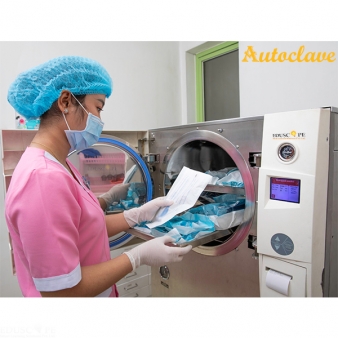
- Autoclaves: listings include electric, gas, stainless-steel, portable and standard autoclaves together with an autoclavable draining basket. Published model information varies by product; examples include heater rating, vessel capacity, construction, pressure-gauge and safety-valve details.
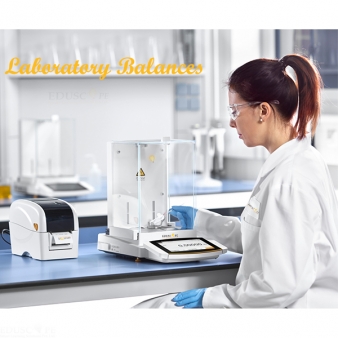
- Laboratory Balances: the category contains double-beam, analytical, physical, Beranger, compression, single-pan, chemical, compact, tabletop, lever, precision, high-precision and triple-beam balances, together with a balance mass set. Capacity, readability, graduation and other weighing characteristics differ by model.
- Centrifuges: listings include universal, mini, clinical, hand, high-speed, hematocrit and laboratory centrifuges, plus fixed-angle rotor equipment. Published products vary in speed, rotor arrangement, tube capacity, timing and intended laboratory application.
- Colorimeters: available listings include a colorimeter logger sensor, standard colorimeter, Colourwave colorimeter, digital photo colorimeter and S-Range digital model. The product pages show model-specific differences in optical measurement range, filters, display and power requirements.
- Heating Mantles: the range includes digital mantles, different flask capacities, multi-position mantles and models incorporating stirring. Individual listings specify differences in body construction, control arrangement, capacity and stirring speed.
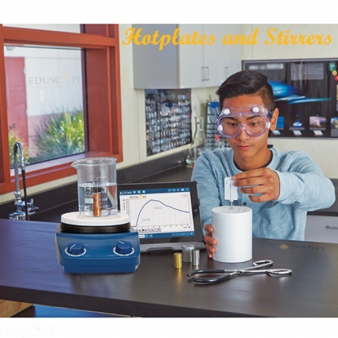
- Hotplates and Stirrers: listings include general-purpose and ceramic hotplates, rectangular and round hotplates, hotplate-magnetic-stirrer combinations, mini and ultra-thin magnetic stirrers, a vortex mixer and other stirring equipment. Published models vary in maximum surface temperature, electrical rating, stirring controls, plate construction and supplied accessories.
- Laboratory Water Baths: the range includes electric, serological, unstirred, stirred and multi-bath configurations, as well as heated ultrasonic baths and water-bath accessories. Product information differs by capacity, heating arrangement, controls, materials and accessories.
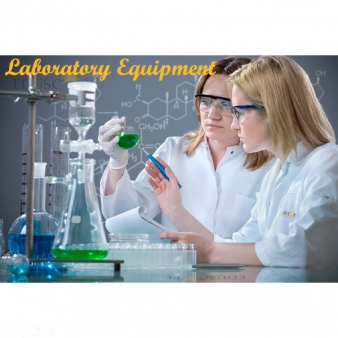
- Laboratory Equipment: this broader subcategory contains additional laboratory appliances. An indexed product page within it lists a laboratory drying/warming cabinet with model-specific capacity, dimensions, shelving, temperature-control and electrical information.
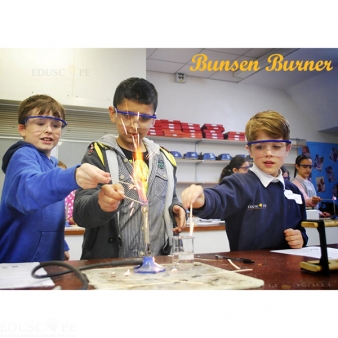
- Burners: current listings include electric burners, Bunsen and Meker designs, high-temperature burners, adjustable burners, flame-control accessories and natural-gas models. Burner construction and gas or air regulation vary by model.
What Specifications Should Buyers Compare Before Ordering?
Buyers should compare the exact operating specification and laboratory requirement for each model rather than treating appliances in the same product group as interchangeable.
|
Selection criterion |
What the buyer should verify |
|
Intended laboratory task |
Confirm whether the appliance is required for sterilisation, heating, mixing, weighing, sample separation, temperature control, optical measurement or another specified procedure. |
|
Product and model code |
Quote the exact product code when requesting specifications or pricing, particularly where the category contains several similar configurations. |
|
Capacity and working range |
Check vessel capacity, weighing capacity, tube capacity, temperature range, speed range, optical range or other model-specific working limits where applicable. |
|
Resolution or graduation |
For balances, colorimeters and other measuring devices, verify the published readability, graduation, resolution or display specification for the selected model. |
|
Electrical requirements |
Confirm operating voltage, frequency and power rating for powered appliances before installation or procurement. |
|
Temperature and speed controls |
For heating, stirring and centrifugation equipment, compare controller type, maximum operating values, timer functions and adjustment range where published. |
|
Construction and contact materials |
Check materials used for vessels, plates, bodies, lids, rotors or other relevant components where chemical resistance, cleaning or laboratory use makes this important. |
|
Accessories and configuration |
Confirm whether rotors, baskets, shelves, stirrer bars, lids, probes, cables, mass sets or other required accessories are supplied with the selected model. |
|
Laboratory infrastructure |
Verify available electrical supply, gas supply, bench space, ventilation and other installation conditions required by the chosen appliance. |
|
Safety requirements |
Review the applicable operating instructions and safety controls for pressure, heat, rotating equipment, electrical appliances and open-flame equipment before use. |
Published examples demonstrate why model-level comparison matters. Laboratory balance listings contain different capacities and graduations; centrifuges vary in speed and rotor configuration; and hotplates show different maximum temperatures and electrical ratings.
Where Are Laboratory Appliances Used?
Laboratory appliances support multiple stages of practical laboratory work. Autoclaves are used for steam sterilisation; balances support weighing; centrifuges separate sample components through rotation; heating mantles and hotplates provide controlled heating; stirrers mix laboratory solutions; water baths provide controlled-temperature environments; and colorimeters are used for optical measurement of solutions.
The range is relevant to schools, colleges and universities conducting practical science work, as well as research and industrial laboratories. Some individual centrifuge listings are also expressly described for clinical, pathological, molecular or cellular laboratory applications, so the intended environment should be confirmed at model level.
The supplied procurement brief also identifies government institutions, NGOs, distributors, importers, project consultants and educational procurement agencies among the target buyer groups and identifies Africa, Europe, the Middle East and Asia among the principal market regions.
What Information Should an Institutional Quotation Include?
An institutional enquiry should identify the appliance, product code, required quantity and applicable technical specification. For equipment with electrical, temperature, speed, capacity or installation requirements, those parameters should be included in the enquiry so that the proposed model can be assessed against the purchasing specification.
The website states that bulk orders are supplied to educational institutions, government departments and private laboratories and that special quotations are available for large-scale requirements. It also states that international shipping is available.
For tender-based requirements, the site maintains a Ministry of Education and vocational-training tender section covering educational laboratory products and materials. This supports neutral use of the range for institutional and tender procurement but does not establish Ministry approval, preferred-vendor status or a specific government contract award.
Request Laboratory Appliance Specifications or a Quotation
Submit the required appliance names or product codes, quantities and technical requirements to request current product specifications, catalogue information or a quotation.